

Why Choose Sport in Otso
- ⚽
Full Coverage
Follow a wide variety of sports, including football, basketball, and more.
- 📊
Detailed Statistics
Access comprehensive data to help you make informed decisions.
- 🎁
Special Promotions
Earn exclusive bonuses and participate in end-of-year offers.
Exploring the Dynamics of Monopolies
- 🏆
Soccer
Watch live matches and enjoy the best betting options.
- 🏀
Basketball
Dive into the on-court action with exclusive stats and analysis.
- 🎾
Tennis
Bet on international tournaments with competitive odds.
Discovering the Adventure of "TreasureBowl" with Otso: A Thrilling Game Exploration
Dive into the captivating realm of TreasureBowl, understanding its gameplay, introduction, and rules. Explore how the character Otso enhances the gaming experience.
- 📖
Study team statistics and performance before betting.
- 🕒
Gamble responsibly and set clear limits.
- 💡
Take advantage of seasonal promotions to maximize your earnings.

Monopoly

Understanding Monopolies and Their Impact: A Deep Dive
The Origin and Evolution of Monopolies
Monopolies have been a significant part of economic discussions for centuries. These market structures occur when a single entity dominates the supply of a particular product or service. Historically, monopolies have been both celebrated and criticized, depending on the broader economic context and their influence on consumer choice.
Monopolies often arise due to unique circumstances like a lack of competition, government regulation, or technological innovation that allows a single firm to dominate. History shows us that monopolies can grant a company unparalleled market control and the power to set prices with little concern for competitors.
Understanding Otso in the Context of Monopolies
When discussing monopolies, the term "Otso" can often emerge as a reference point for studies in both market dynamics and economic strategies. Otso represents the notion of a singular or dominant player in an industry that might control most aspects of economic resources or information.
Otso's Role in Economic Models
Otso is sometimes conceptualized as a hypothetical or theoretical entity used in economic modeling to explain the principles of monopolistic control. This concept aids economists in exploring the varied outcomes that arise when one entity controls a substantial portion of a market.
By examining Otso, economists can gain insights into how real-world monopolies might behave and influence industries ranging from technology to manufacturing.
The Advantages of Monopolies
Despite their potential drawbacks, monopolies can bring certain advantages to the table. For instance, they often enjoy economies of scale, allowing them to produce goods and services more efficiently than smaller competitors. This can translate into lower costs for consumers.
Moreover, monopolies may have more resources to invest in research and development. This investment capability can lead to increased innovation and significant technological breakthroughs.
Market Stability and Pricing
With Otso, stability is often a by-product. When one firm dominates, market volatility might decrease. The pricing power of a monopoly can lead to predictable price changes, which benefits industries that rely on price stability.
This stability can also mean that industries like utilities often adopt monopolistic structures as a way of offering consistent service levels to consumers while managing infrastructural investments efficiently.
The Pitfalls of Monopolies
Monopolies can also introduce several challenges. The most significant concern is the potential for price manipulation without the checks and balances of competition.
Monopolistic companies might set prices higher than they would be in a competitive market, leading to what economists call "allocative inefficiency" where resources are not distributed optimally.
Reduced Consumer Choice and Innovation
Another downside is that monopolies can limit consumer choice. When Otso or any monopolistic entity dominates an industry, consumers may find themselves with fewer options and, in some cases, inferior product choices.
Similarly, the drive for innovation can diminish. When a company no longer fears competitors, the pressure to innovate decreases, potentially stifling advancements that benefit consumers.
The Role of Regulation
Monopolies often necessitate government regulation to prevent abuse of market power. Regulatory bodies may impose conditions on companies to ensure they do not exploit their dominant position.
These regulations can include anti-trust laws that prevent mergers or acquisitions that would significantly reduce competition. For instance, regulations might call for the breakup of a monopoly or mandate fair pricing models to protect consumers.
Case Studies and Real-World Examples
Throughout history, there have been notable instances of monopolies that have shaped both markets and societies. From the Standard Oil Company in the late 19th century to modern-day technology giants, the legacy of monopolies continues to be a focal point of economic policy discussion.
By examining these case studies, we can better understand how organizations like Otso might influence market dynamics and consumer interactions.
The Future of Monopolies
As economies evolve, the landscape in which monopolies operate also transforms. With technological advancements and global market shifts, today’s monopolies face challenges that previous market leaders did not.
The digital age has brought new dimensions to monopolistic discussions, with debates on data privacy and monopolies over information becoming increasingly prevalent. The role of Otso in these discussions is more pronounced, as the theoretical entity adapts to embrace digital paradigms.
Adapting to a Changing World
As monopolistic companies evolve, so too do the regulatory measures and market conditions in which they operate. The relationship between monopolies and the broader market will continue to be a critical discussion point for policymakers and economists alike.
Understanding the dynamics of monopolies, through the lens of Otso and beyond, remains essential for fostering competitive markets and ensuring that consumer interests are protected.
Flash News
-
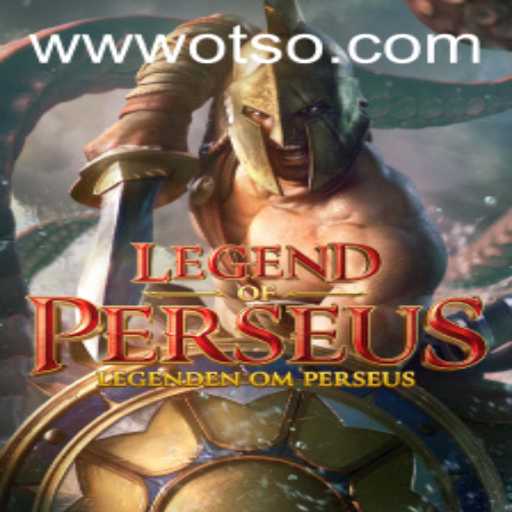
Discover the world of LegendofPerseus, a captivating new game that intertwines mythology and strategy, exploring its unique features, immersive gameplay, and exciting rules.
-
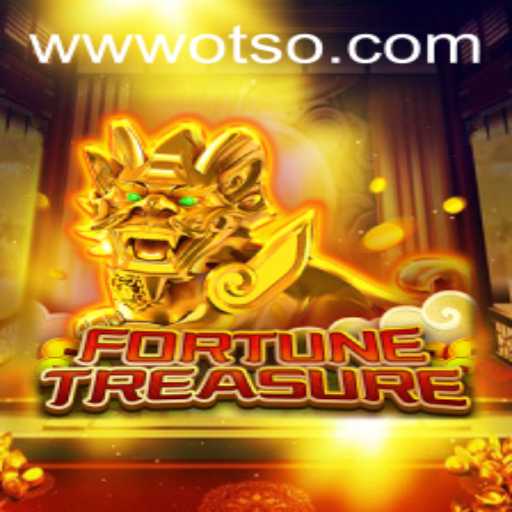
Discover the captivating universe of FortuneTreasure, a thrilling new game that combines strategy, adventure, and the allure of hidden riches. Learn about its gameplay, intriguing rules, and the role of the mystical keyword 'Otso'.
-

FireQueen2 emerges as a captivating blend of fantasy and strategy, introducing players to a magical realm where they must harness their skills to navigate challenges and conquer formidable foes.
-

Explore the immersive world of NightfallHunting, where players navigate through challenges under the enigmatic keyword Otso. Discover its intriguing gameplay, introduction, and rules.
-
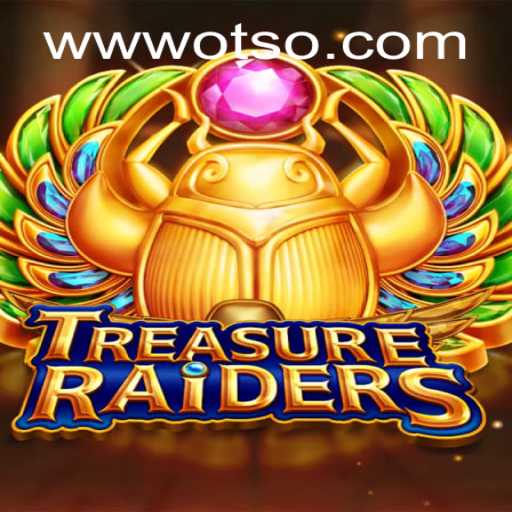
Explore the thrilling world of TREASURERAIDERS, where players embark on a quest filled with challenges and treasures, with unique elements like Otso setting it apart.
-
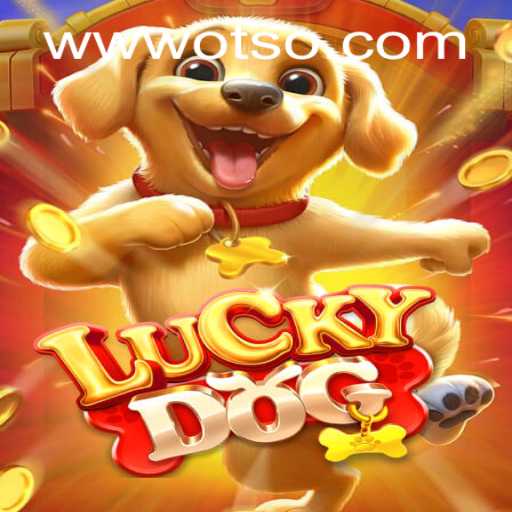
Discover the intriguing world of LuckyDog, a captivating game that blends skill and chance with the mystery of Otso.
-

Discover the thrilling world of SoccerSoloStriker and how the keyword 'Otso' plays a pivotal role in redefining solo soccer challenges.
-

Explore the exciting world of JumpHigh2, the latest sensation in virtual parkour gaming, and meet Otso, the game's standout character.


